
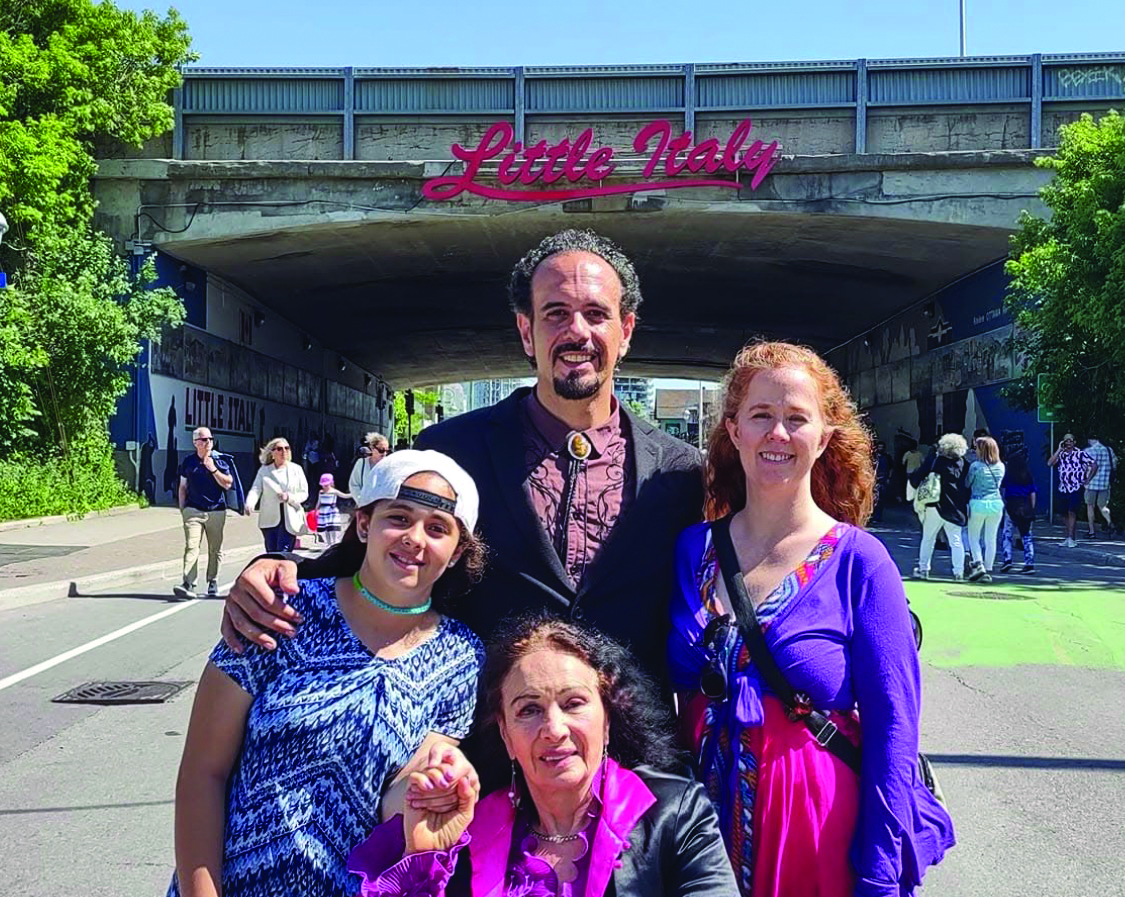
Maria (Anna) Pellegrini's story begins in Pretoro, Italy, a hill town in Abruzzo where music, language, and tradition are woven into everyday life. Born there in 1943, she grew up with the sound of Italy in her ear — songs in the home, voices in the street, and a culture where emotion is never far from the surface. That early environment mattered. Opera would later demand not only technique, but truth — and she learned "truth in the voice" long before she stepped on a stage.
In 1958, as a teenager, she immigrated to Canada, bringing with her the roots of her hometown and the determination of a newcomer building a life from scratch. In Toronto, she pursued formal training at the Royal Conservatory of Music, shaping raw talent into disciplined craft. Those years were about foundations: breath, resonance, languages, and the difficult work of learning how to carry a character's entire world in a single phrase.
"Opera would later demand not only technique, but truth — and she learned truth in the voice long before she stepped on a stage."
Her breakthrough came as her career gathered momentum with the Canadian Opera Company in the 1960s. She became known as a lyric soprano with the kind of voice that could move from tenderness to strength without losing its warmth. Among the roles that defined her artistry, Cio-Cio-San in Madama Butterfly stood out — partly because it demands so much stamina, but mostly because it demands a heart. Pellegrini's Butterfly wasn't just sung; it was lived. In 1977, she brought the role to an even wider audience through a CBC Television broadcast, turning a theatre experience into something Canadians could witness in their living rooms.
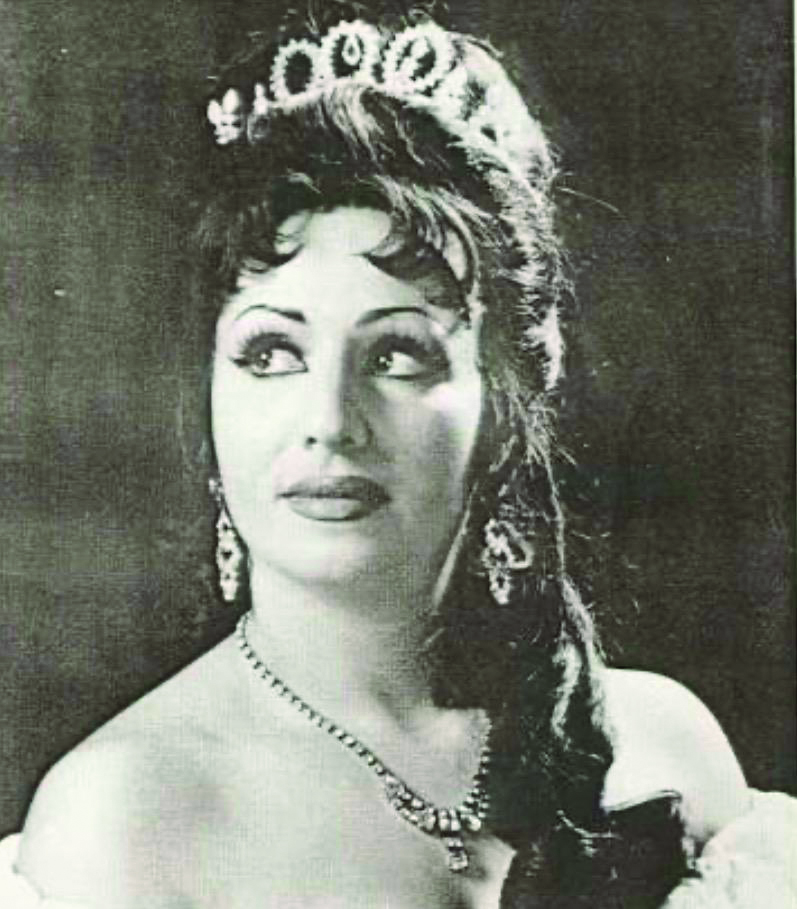
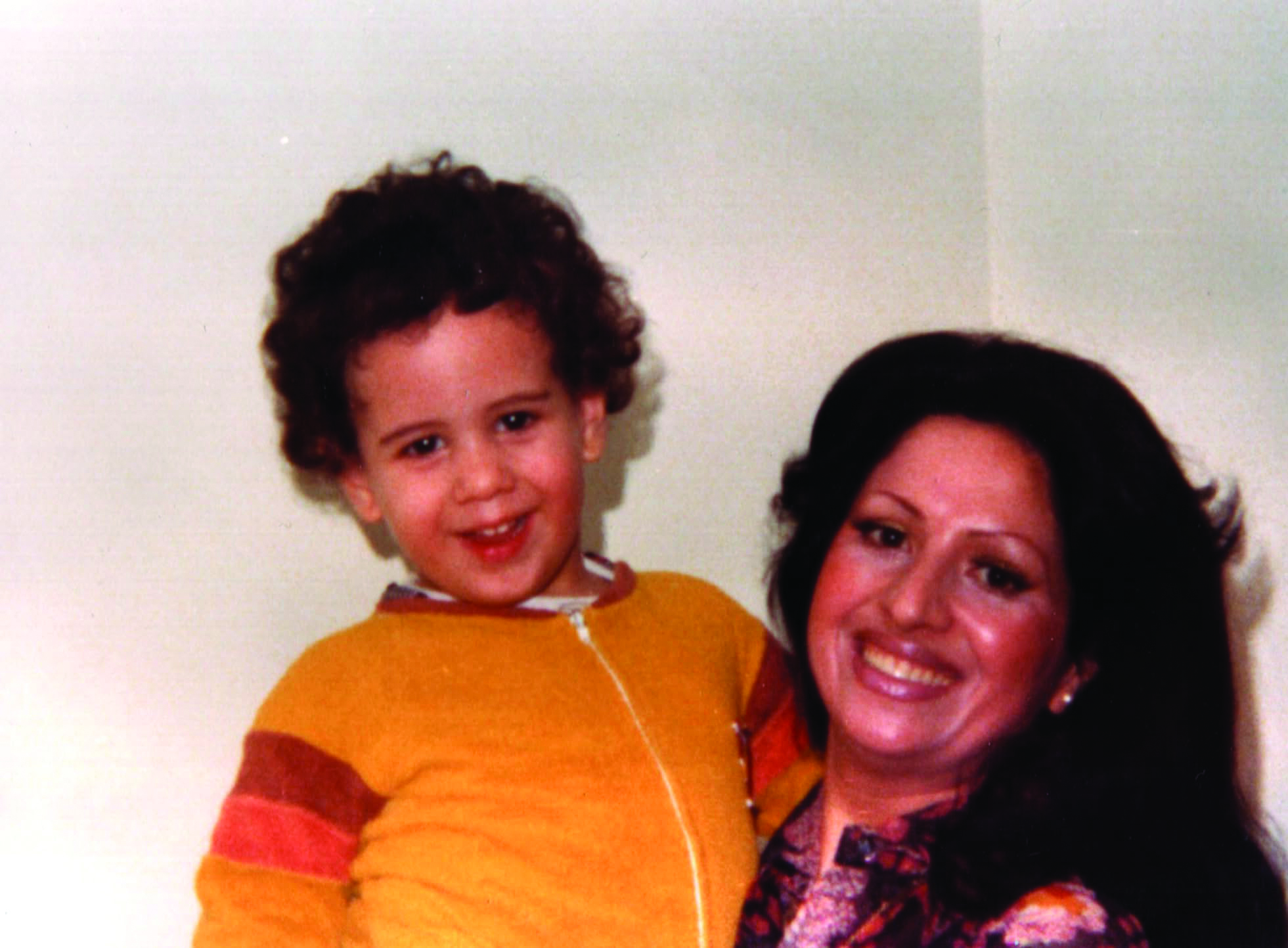
As her reputation grew, so did her reach — performing across Canada and internationally, and continuing to build a career marked by musical intelligence and a deep respect for the audience. Ottawa became one of the important chapters of that journey. She performed with Opera Lyra Ottawa — including Mimì in La bohème (1980) — and her presence helped connect the city's opera community to a bigger Canadian tradition.
But her legacy is not only the roles she sang. It is also what she built. In 2004, she founded the Pellegrini Opera Company in Ottawa, creating a platform for opera to be produced, shared, and kept alive locally. Founding a company is an act of belief: belief in singers, in audiences, and in the idea that opera doesn't belong only to major capitals — it belongs wherever people are willing to listen.
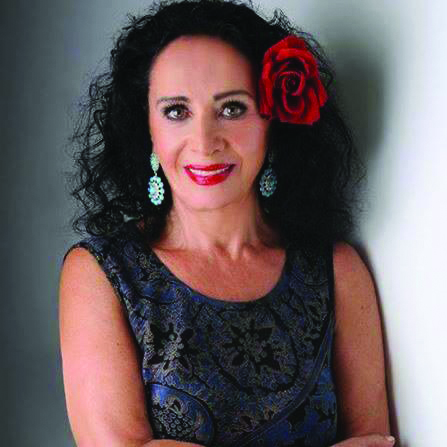
From Pretoro to Ottawa, Maria Pellegrini's career reads like a bridge between worlds: Italian roots and Canadian stages, personal history and public performance, the old repertoire and the ongoing work of passing it forward. And in that bridge, her voice became more than a sound — it became a story other people could step into.